Council calls for urgent action on agricultural worker delays
Published on 09 September 2026
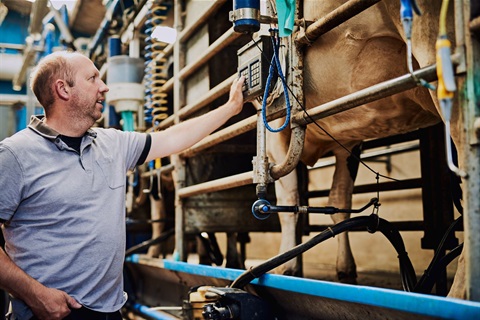
Moyne Shire Council is calling on the Federal Government to re-prioritise visa processing for employer-sponsored agricultural workers, warning workforce shortages are placing increasing pressure on farming families and regional communities.
Council's advocacy follows concerns raised by local agricultural businesses regarding the impact of Ministerial Direction 119, which changed skilled visa processing priorities in July 2026.
Council has written to the Minister and Shadow Minister for Home Affairs, Minister and Shadow Minister for Agriculture, local Federal Member Dan Tehan MP and Victorian Senator Raff Ciccone, advocating for changes to visa processing arrangements affecting regional agricultural businesses.
Council is calling on the Federal Government to restore appropriate processing priority for employer-sponsored regional agricultural workers, provide transitional consideration for applications already lodged before the changes took effect, and ensure visa processing arrangements support regional workforce initiatives such as the Great South Coast Designated Area Migration Agreement (DAMA).
Mayor Cr Jordan Lockett said agriculture is not just an industry in Moyne, it is the backbone of our economy and the lifeblood of our communities, supporting more than 2,700 local jobs and generating an extraordinary $1.2 billion in economic output every year.
"Agriculture is one of our region's greatest strengths, but farmers are telling us workforce shortages remain one of the biggest challenges facing their businesses," Cr Lockett said.
"Council cannot afford sit on the sidelines while decisions made in Canberra have real consequences for farming families and their businesses in our region. We are taking this issue directly to Ministers and key decision-makers because access to a reliable workforce is fundamental to the future of agriculture in Moyne Shire."
Cr Lockett said many employers had exhausted local recruitment options and invested significant time and money through approved migration pathways to fill genuine workforce shortages.
"Our farmers are doing everything expected of them and deserve a system that recognises the importance of regional food and fibre production," he said.
"This isn't just about filling jobs. It's about supporting family farms, maintaining agricultural production and strengthening regional communities.
"Agriculture contributes more than $1 billion to our local economy, and Council has a responsibility to champion the interests of our agricultural sector.
“We'll continue advocating until we see migration settings that properly recognise the workforce needs of regional Australia."